Introduction
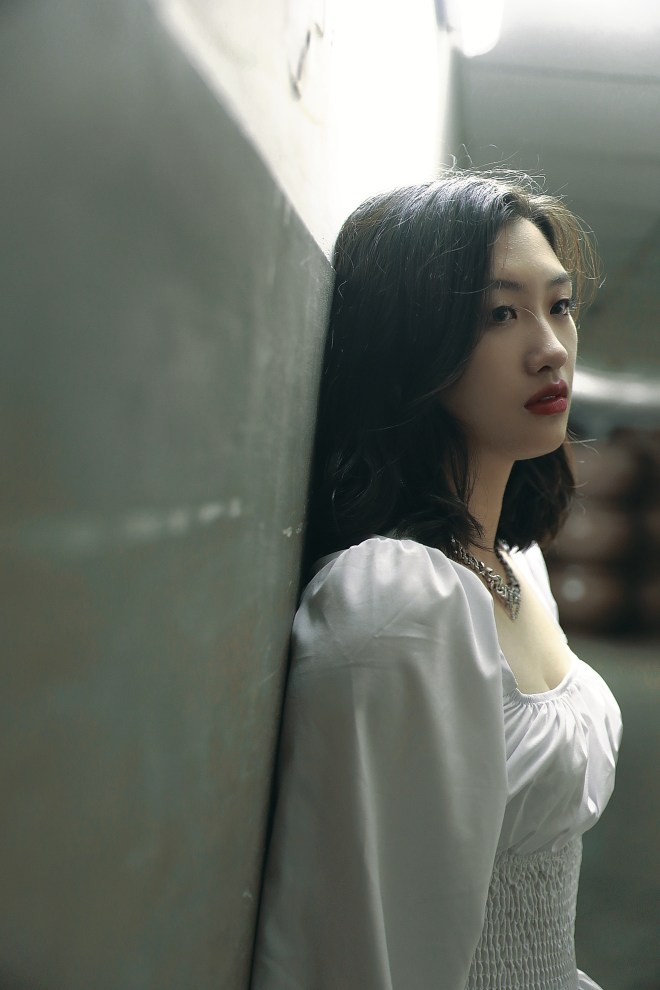
I’m Serena, an 18 year old girl from Shanghai, China. Growing up in my hometown, I was influenced by Chinese culture and tradition. At the age of 16, I went to US for boarding high school. Through exploring myself amongst foreign cultures and people with various backgrounds, I find my own voice and inspirations to create music.

1. What are some inspirations for your music?
Listening to a lot of music from other people inspires me to also create music. I find things around me and put them into my music. I like music that can affect people’s lives, and it can be the composer’s own life. For me, just listening to these kinds of music inspires me to reflect upon and record my own life as well. I guess this is more from a composter’s view. From a cover artist’s view, I think just listening to the other singers makes me want to try singing the song as well. I want to bring my own experience and interpretation to this piece that’s already been sung. I’m not trying to surpass the original singer because this concept does not exist in art. There are only different interpretations of different voices.
2. What are the cultural elements of your music, if any, and what are they?
Though this piece does not have traditional Chinese elements like the pentatonic scale, this is a typical representation of Chinese ballads and mainstream music at large. I think this is an Asian cultural love that’s not outgoing and straightforward but introverted and contained. It resonates with me because when talking about emotions, I lean more toward the Asian culture in which I grew up. These feelings make me feel more like myself.
The lyrics convey the idea that “I don’t need to have intimate relations with you, but deep in my heart, I know we are together.” The singer doesn’t strive for superficial intimacy, and it is only implied that their feelings are reciprocated. The title of the song, “Unbreakable Love (永不失联的爱)”, refers not to the kind of contact conducted over telephones or social media, but a spiritual connection.*
*Note: the Chinese title directly translates to “A Love that Never Loses Contact.”
3. How has your cultural background influenced your music?
Because I grew up with music and lyrics from my own culture, the sound of my language is ingrained in my mind. I have an intimate and intuitive link to my own language, so elements of Chinese culture in the works of others often resonate deeply with me.
The smallest unit of language in English is a letter, which has no meaning in and of itself. English is a combination of letters that form words only when assembled orders. In Chinese, the smallest unit of language is a character, which has a meaning of its own. Another layer of meaning is added to characters when they come together to form words. The words and units of the Chinese language are tightly packed and have a multitude of meanings.
4. What do you think is the value of your music?
I think there are two. The first one is for me as a record of my own emotions, and to express what I want others to feel or know about me. The second one is to bring happiness and understanding to my listeners. It’s important that listeners feel something after exposure to my music. It doesn’t matter if the emotion is positive or negative; it’s good enough to just know that my music has passed through somebody’s mind and left an impact. I think my art represents my quirks and idiosyncrasies, so I cannot expect to please everybody with my quirk. Instead, I hope people will listen to my unique voice.
5. How do you hope to influence other people and the world with your music?
I think there are two types of music: the first type you compose for a purpose and a specific group, which is used to inspire others; the second group is like a diary, which reflects your authentic soul. I’m not yet at a level where I can inspire others with my music. All I can do, and am doing right now, is to put my original soul on paper and let others process it through my music. Maybe, they will resonate with my music and share it with others.
6. Do you have any advice for younger musicians?
Don’t be limited by your environment, especially in this technological era. There are so many resources around us, so just create. You will never improve if you don’t create. Creation gives the possibility of feedback and improvement. That back and forth will improve your art.
 The Big Duck